
Abril 1959, inundaciones del ´59, TESTIMONIO de Tony un Boy Scout
Compartimos esta historia, testimonio de Tony, un niño Boy Scout, en la creciente de Abril 1959 de Rincón del Bonete y Paso de los Toros.
Historia22 de abril de 2023 Tony Beckwith 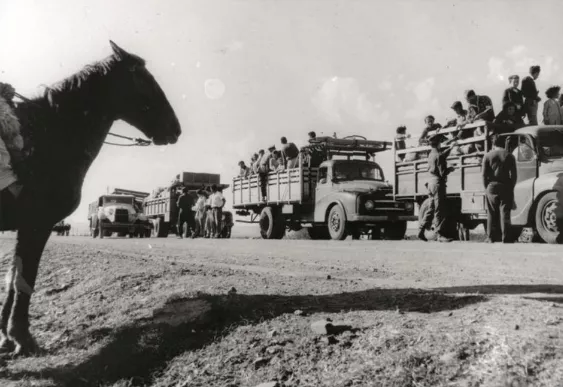
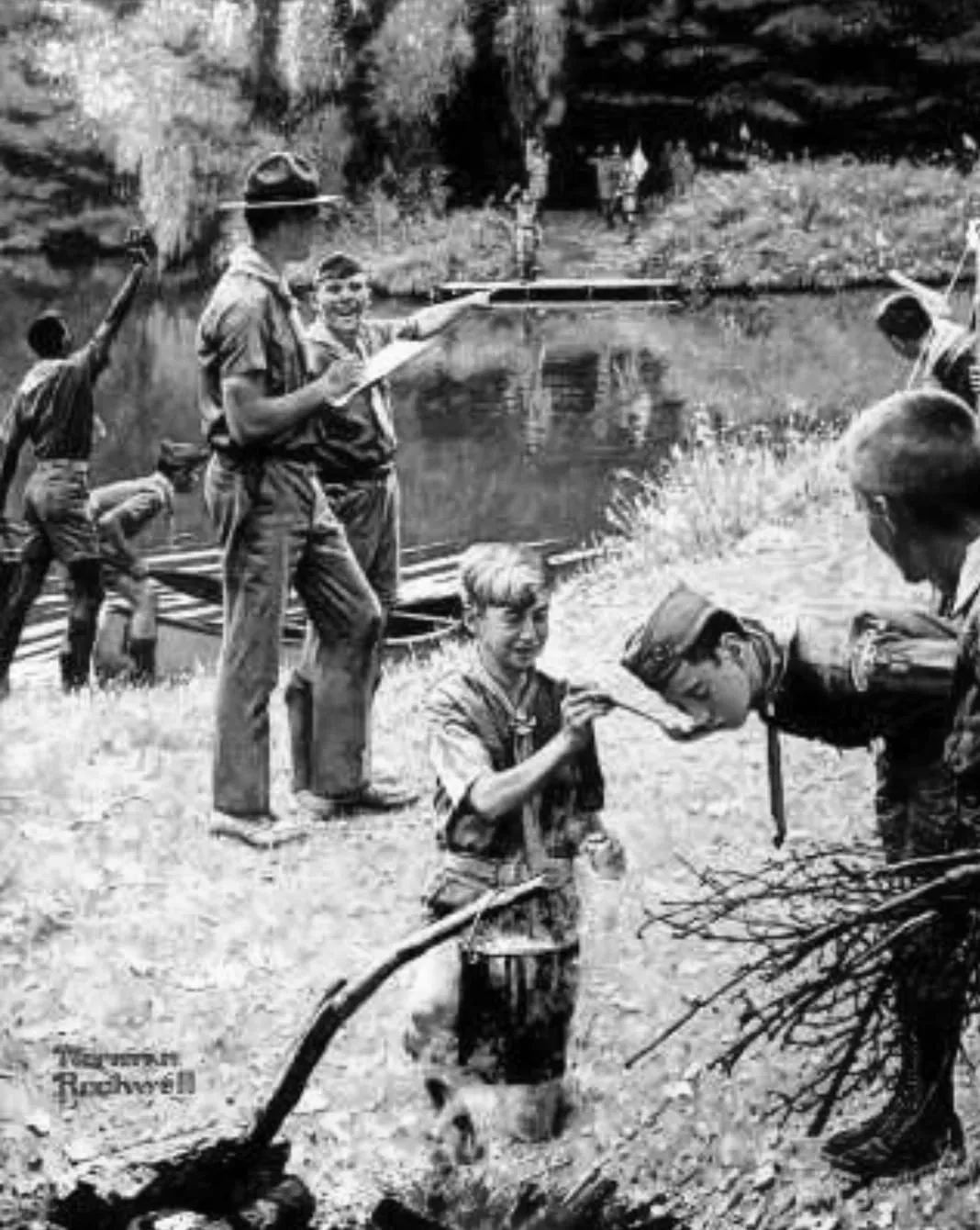
El escautismo (movimiento Scout) era importante para mí cuando estaba en mi adolescencia. Yo había sido un Cachorro Lobo y me gradué naturalmente a partir de ahí. El ser un Boy Scout fue una identidad para mí, y disfruté del sentimiento de pertenencia a una organización tan prominente y de gran prestigio. Asistí gustosamente a reuniones y campamentos y mostrando mi camisa completa de insignias.
Me gustó especialmente la idea de estar preparados, y como se motiva a los Scouts para tal fin, y mis bolsillos siempre abultados con todo pensé que podría necesitar si alguna vez estuviera de repente, inexplicablemente perdido en el desierto y tuvo que encontrar mi camino a casa. Tenía catorce años y estaba preparado para cualquier cosa, deseando que algo suceda.

Un día lo hice, el 24 de marzo de 1959 comenzó lloviendo por todo el país y no se detuvo durante un mes. Los ríos se desbordaban pronto, las ciudades y los campos inundados, y había una sensación omnipresente de condenación que nunca había sentido antes.
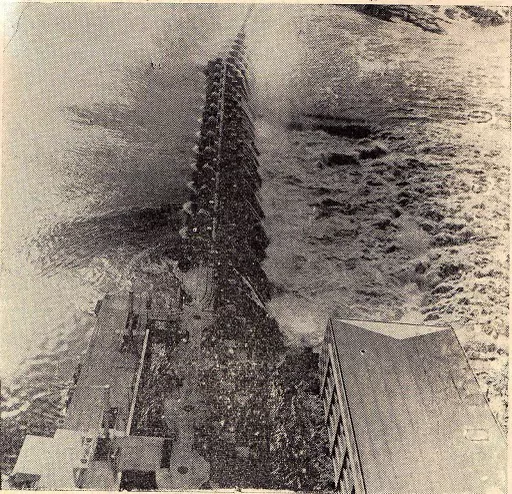
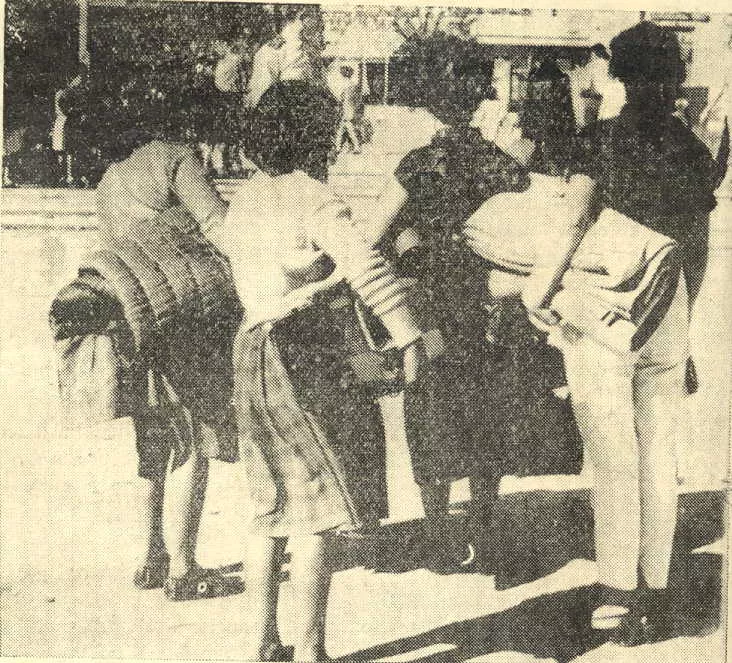
Fue la peor inundación Uruguay había experimentado alguna vez. A mediados de abril, el aumento las aguas del Río Negro abrumaron la hidroeléctrica Represa de Rincón del Bonete y se utilizó dinamita para liberar la presión, inundando la cercana ciudad de Paso De los Toros. Los desventurados residentes, que habían evacuado por adelantado, se reunieron en la estación de tren Agarrando una bolsa cada una. De allí fueron enviados en varias direcciones, principalmente hacia el sur hasta Montevideo.

Para albergar y alimentar a los refugiados, el gobierno creó el Comité Nacional de Ayuda a los Damnificados Comité Nacional para las Víctimas. Para organizar y coordinar el cuidado de los Cerca de 50.000 desplazados. Un almacén fue cerca de la estación central de ferrocarril Montevideo para almacenar las compras y donaciones, suministros que rápidamente comenzaron a acumularse. Los almacenes estaban abiertos las 24 horas del día, con reclutas vigilando las 24 horas del día bajo el vigilante ojo de Emilio Martínez, un joven teniente. Como tiende a suceder en tiempos de crisis, hubo una derramamiento de solidaridad en todo el país; gente donaron dinero y ofrecieron su tiempo. Todo el mundo quería ayudar.
Los Boy Scouts fueron voluntarios en masa y a mi enorme placer me asignaron a vigilar un par de noches por semana y la mayoría del fin de semana en el almacén cerca de la estación de ferrocarril. Cuando yo digo "Guardia del soporte" lo que significo es está parada alrededor y espera para ser enviado en un recado por el teniente Martínez.
El recado era siempre el mismo. "Che, pibe, tráeme un café" . Negro y fuerte con tres azúcares. Me paseaba a la cafetería de la estación y le llevaba una taza. Pero la mayor parte del tiempo me destacaba en el muelle de carga bajo el techo de hojalata, mirando la calle húmeda y escuchando la lluvia. Me quedé tranquilo, las manos detrás de mi espalda, los hombros rectos. Era cálido y muy húmedo así que llevaba mi camisa de color caqui con las mangas enrolladas. Mi boina verde, que también estaba húmeda, yacía fláccida sobre mi cabeza y caía sobre mi oreja derecha. Mis pantalones cortos de pana eran un buen ajuste, no el tipo que el ejército británico usó en el norte de África. No me podía imaginar sentirse preparado para cualquier cosa en pantalones cortos como esos.
Mis botas eran mi orgullo y alegría, un regalo de un amigo que estaba saliendo del país y su madre le dijo en términos inequívocos que dejaría las botas atrás. Eran pesados, hechos de cuero marrón resistente que subía por mis tobillos, y tenía suelas de goma gruesas que me hacían sentir invencible. Ninguno de los charcos entre el almacén y la estación era demasiado profundo para mis botas. Pero esos charcos no eran nada comparados con el Río Uruguay que se elevó más de cincuenta pies cerca de Salto y Paysandú. Nada comparado con las inundaciones que sacó los ataúdes de los cementerios y los barrió Río abajo nada comparado con la devastación que dejó tantas personas sin hogar y dependientes de la amabilidad de los extraños.

Una vez, cuando estaba entregando un taza de café al teniente Martínez oí a un conscripto explicando que no habían llegado muchos evacuados entrenar ese día porque en cada estación la gente tenía abrió sus hogares a cualquiera que quiera quedarse, Y muchos bajaron del tren y aceptaron su generosa ofertas. El teniente dijo: "La solidaridad es asombrosa. La gente realmente está abriendo espacio para otros en sus vidas ". Luego se encogió de hombros. "Qué pena que una vez que la crisis haya terminado, todos olvidaremos nuestras preocupaciones universales y volveremos a cómo éramos, centrado en nuestro propio pequeños mundos ". Siendo un tipo de persona con gafas rosas, ese pensamiento nunca se me había ocurrido.
Poco después terminó de llover y el teniente Martínez me dijo que ya no me necesitarían. Sacudimos las manos en el muelle de carga y luego retrocedimos y nos saludamos. Era la primera vez que saludaba a alguien de esa manera, oficialmente, pero era natural. Luego me volví y caminé unas pocas cuadras hasta la parada del autobús y volví a casa.
Autor; Tony Beckwith
http://www.britsoc.org.uy/newsletters2013/britsoc-2013-7.pdf
------
VERSION ORIGINAL EN IDIOMA INGLES
Scouting was important to me when I was in my early teens. I had been a Wolf Cub and graduated naturally from there. Being a Boy Scout was an early identity for me, and I enjoyed the feeling of belonging to such a prominent, highly regarded organization. I gladly attended meetings and camps and gradually festooned my shirt with badges. I particularly liked the idea of being prepared, as Scouts are encouraged to be, and my pockets always bulged with everything I thought I might need if I was ever suddenly— inexplicably—dropped into the wilderness and had to find my way home. I was fourteen and prepared for anything, wishing that something would happen.
One day it did. On the 24th of March, 1959 it started raining all over the country and didn’t stop for a month. Rivers were soon overflowing, towns and fields were flooding, and there was an all-pervasive sense of doom that I had never felt before. It was the worst flooding Uruguay had ever experienced. By mid-April the rising waters of the Río Negro overwhelmed the hydroelectric dam at Rincón del Bonete and dynamite was used to release the pressure, flooding the nearby town of Paso de los Toros. The hapless residents, who had been evacuated in advance, gathered at the railway station clutching one bag each. From there they were sent in various directions, mainly south to Montevideo.
To house and feed the refugees, the government created the Comité Nacional de Ayuda a los Damnificados [National Committee for Victim’s Assistance] to organize and coordinate the care of nearly 50,000 displaced people. A warehouse was commandeered near the Central Railway Station in Montevideo to store the purchased and donated supplies that rapidly started accumulating. The warehouse was open 24 hours a day, with Army conscripts standing guard around the clock under the watchful eye of Emilio Martínez, a young Lieutenant. As tends to happen in times of crisis, there was an outpouring of solidarity throughout the country; people everywhere donated money and volunteered their time. Everyone wanted to help.
The Boy Scouts were volunteered en masse and to my huge delight I was assigned to stand guard a couple of evenings a week and most of the weekend at the warehouse near the railway station. When I say ‘stand guard’ what I mean is stand around and wait to be sent on an errand by Lieutenant Martínez.
The errand was always the same. “Che, pibe, traéme un café” [Hey kid, go get me a coffee]. Black and strong with three sugars. I would trot over to the café at the station and get him a cup. But most of the time I stood out on the loading dock under the tin roof, looking at the wet street and listening to the rain. I stood at ease, hands behind my back, shoulders straight. It was warm and very damp so I wore my khaki shirt with the sleeves rolled up. My green beret, which was also damp, lay limply across my head and drooped down over my right ear. My corduroy shorts were a good fit, not the baggy, flappy kind the British Army wore in North Africa. I couldn’t imagine feeling prepared for anything in flappy shorts like that. My boots were my pride and joy, a gift from a friend who was leaving the country and was told by his mother in no uncertain terms to leave the boots behind. They were heavy, made of sturdy brown leather that came up over my ankles, and had thick rubber soles that made me feel invincible. None of the puddles between the warehouse and the station were too deep for my boots.
But those puddles were nothing compared to the Río Uruguay that rose over fifty feet near Salto and Paysandú. Nothing compared to the floodwaters that sucked coffins out of graveyards and swept them downriver. Nothing compared to the devastation that left so many people homeless and dependent on the kindness of strangers. Once, when I was delivering a cup of coffee to Lieutenant Martínez I heard a conscript explaining that not many evacuees had arrived on the train that day because at every station people had opened their homes to anyone who wanted to stay, and many got off the train and accepted their generous offers. The Lieutenant said, “The solidarity is amazing. People really are making room for others in their lives.” Then he shrugged. “What a shame that once the crisis is over we’ll all forget about our universal concerns and go back to how we were, focused on our own little worlds.” Being a rose-tinted-spectacles sort of person, that thought had never occurred to me.
Soon after that it finally stopped raining and Lieutenant Martínez told me they would no longer be needing me. We shook hands out on the loading dock and then stepped back and saluted each other. It was the first time I’d ever saluted anyone like that, officially, but it came perfectly naturally. Then I turned and walked a few blocks to the bus stop and caught the 118 home.
By Tony Beckwith [email protected]
http://www.britsoc.org.uy/newsletters2013/britsoc-2013-7.pdf
Te puede interesar
El 21 rodando a la Fiesta de Estación Migues exponen locomotora de 1890
Museo Ferroviario
Historia13 de febrero de 2026
ONLINE: Especialización en Género, Cambio Climático y Desastres FLACSO Uruguay
FLACSO
Historia04 de febrero de 2026
Archivos desclasificados: Hitler quería lanzar una bomba atómica sobre la URSS en 1945
Pablo Thomasset
Historia17 de enero de 2026El Servicio Federal de Seguridad de Rusia (FSB) ha desclasificado archivos que evidencian los planes de la Alemania nazi de atacar la Unión Soviética con una bomba atómica en junio de 1945.
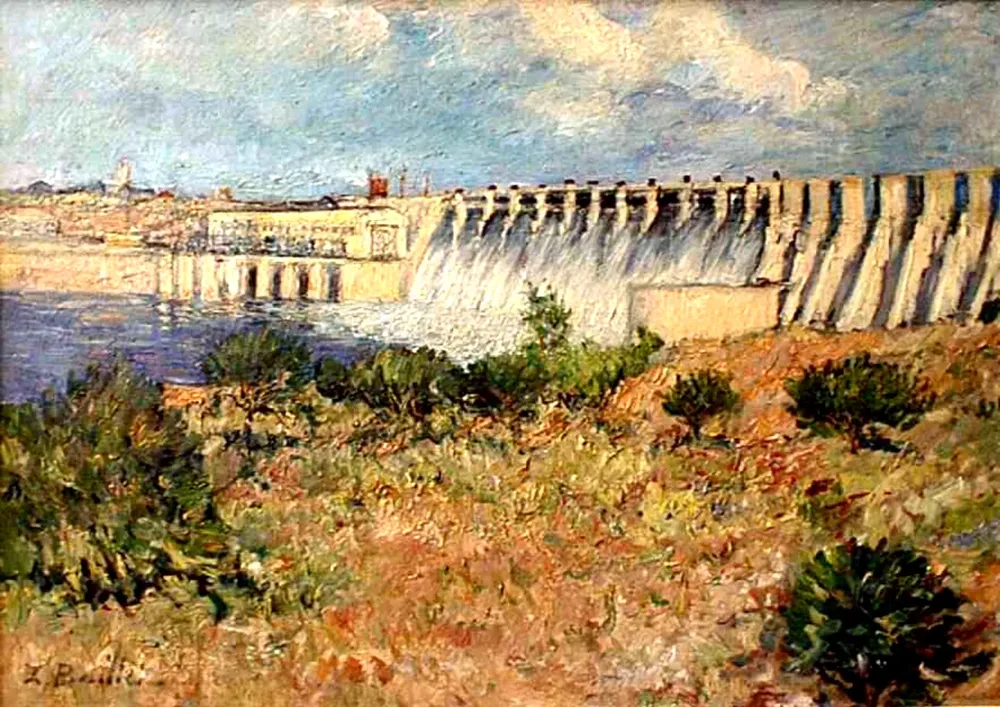
Lanzamiento del sello conmemorativo por 80.° aniversario de la Central Hidroeléctrica Rincón del Bonete
Presidencia de la República
Historia30 de noviembre de 2025Lo más visto



Plagas estructurales, curso semipresencial accederás a formación de nivel.
COCAP
Gente04 de abril de 2026